
 ios
ios android
 tiktok
 instagram
 facebook
 bluesky
 x
x reddit
 threads
 About
About AKESO Health Tracker
 Resources
 Blog
Blog FAQ
FAQ Contact
 AKESO Forum
In 2023, hypertension impacted more than 122 million Americans. According to the American Heart Association, this represents almost 1 in 2 adults aged 20 and above in the United States who suffer from this chronic condition. It’s also believed to be one of the leading causes of premature death and could lead to people developing other diseases like heart, brain, and kidney diseases.
This is alarming considering there are no known pre-hypertension symptoms, which is one of the reasons why this chronic ailment is known as the “silent killer.”
What is Chronic Hypertension (High Blood Pressure)?
Chronic hypertension is the persistent elevation of your blood pressure throughout an extended period. It’s often characterized by having blood pressure readings above 120/80 mmHg.
To be diagnosed with hypertension, a patient must be monitored over at least two days. Within those two days, if the systolic blood pressure readings (the top number) on both days are ≥140 mmHg and/or the diastolic blood pressure readings (the bottom number) on both days are ≥90 mmHg.*
Chronic hypertension is a condition that requires ongoing management and monitoring. While hypertension (high blood pressure) can’t be cured, it is possible to successfully manage it. Understanding its symptoms, potential complications, and the need for timely intervention through lifestyle changes and medical treatments is crucial for mitigating its risks and ensuring a better quality of life.
Risk Factors for Hypertension (High Blood Pressure)
Various factors contribute to the development of hypertension. Individuals with the following characteristics or lifestyles may be at a higher risk:
- Unhealthy Diets: Diets low in fruits and vegetables while high in saturated and trans fats, coupled with excessive salt intake, can significantly increase the risk of hypertension.
- Low Physical Activity: Sedentary lifestyles that include a lack of exercise can lead to weight gain, higher stress levels, and increased blood pressure.
- Weight Issues: Being overweight or obese places added strain on the cardiovascular system, leading to a higher likelihood of developing hypertension. Excess body weight can disrupt normal blood flow and increase the heart’s workload, resulting in elevated blood pressure levels.
- Alcohol Consumption: Alcohol’s impact on blood pressure isn’t solely due to short-term effects; consistent consumption can contribute to sustained high blood pressure, increasing the risk of heart disease and stroke.
- Tobacco: Tobacco, especially through smoking, damages blood vessels, making them narrower and stiffer, thereby increasing blood pressure. The chemicals in tobacco harm artery linings, fostering conditions conducive to hypertension and elevating the likelihood of cardiovascular complications.
- Family History: Individuals with a family history of hypertension are more predisposed to developing the condition.
- Age: Individuals aged 65 and older are more prone to experiencing increased blood pressure due to changes in blood vessel elasticity and other age-related physiological changes.
- Co-Existing Diseases: Conditions such as diabetes or kidney disease often coexist with hypertension. The interplay between these diseases can exacerbate high blood pressure and increase the risk of complications.
Note: While these factors increase the likelihood of developing hypertension (high blood pressure), they do not guarantee its onset. Managing these risk factors and routine health screenings can significantly reduce the risk and impact of hypertension.
Symptoms of Chronic Hypertension (High Blood Pressure)
Hypertension, or high blood pressure, is often known as the “silent killer” because people suffering from it might not experience noticeable symptoms. However, some common symptoms can include:
- Severe Headaches: Intense headaches, especially at the back of the head, can sometimes be associated with elevated blood pressure levels. These headaches might be persistent and recurrent.
- Shortness of Breath: Breathlessness, particularly during physical exertion or activities, can be a symptom of high blood pressure. This sensation may occur as the heart struggles to pump blood efficiently due to increased pressure within the arteries.
- Chest Pain: While not exclusive to hypertension, chest pain might be present in some cases. It’s crucial to differentiate this symptom from other cardiac-related conditions, as chest discomfort could indicate a heart problem requiring immediate medical attention.
- Dizziness or Vision Problems: High blood pressure can affect blood flow to the brain and eyes, leading to symptoms like dizziness, blurred vision, or experiencing double vision. These visual disturbances might occur intermittently.
- Nausea and Vomiting: Some individuals with hypertension may experience feelings of nausea, occasionally accompanied by vomiting, particularly during episodes of severely elevated blood pressure.
- Anxiety and Confusion: Feelings of anxiety and confusion might arise in some cases due to inadequate blood supply to the brain.
- Buzzing in the Ears (Tinnitus): Some individuals with high blood pressure may report hearing a buzzing or ringing sound in their ears, known as tinnitus, which can be associated with hypertension.
- Nosebleeds: While less common, chronic hypertension might lead to occasional nosebleeds due to increased pressure within the blood vessels.
- Abnormal Heart Rhythm: In some cases, high blood pressure can result in irregular heartbeats or palpitations, indicating potential strain on the heart.
Note: Experiencing these symptoms doesn’t necessarily confirm hypertension. However, it’s important to promptly address these signs by seeking medical evaluation and monitoring blood pressure regularly to help in the early detection and effective management of chronic hypertension.
Common Problems Associated with Chronic Hypertension (High Blood Pressure)
Chronic hypertension is a significant risk factor for various health issues, including:
- Cardiovascular disease: Such as heart attacks, stroke, and heart failure.
- Kidney damage: It can lead to kidney failure or chronic kidney disease.
- Eye damage: Increased pressure can damage the blood vessels in the eyes, leading to vision problems.
- Aneurysms: High blood pressure can weaken and enlarge blood vessels, leading to potential rupture.
Treatments for Chronic Hypertension (High Blood Pressure)
Treatment strategies aim to lower blood pressure and reduce the risk of complications. They may involve:
- Lifestyle Modifications: Including dietary changes (such as the DASH diet), regular exercise, weight management, and stress reduction techniques.
- Medications: Various classes of drugs like ACE inhibitors, beta-blockers, diuretics, and calcium channel blockers may be prescribed to control blood pressure.
- Regular Monitoring: Blood pressure monitoring at home or in healthcare settings is crucial to track progress and adjust treatment as needed.
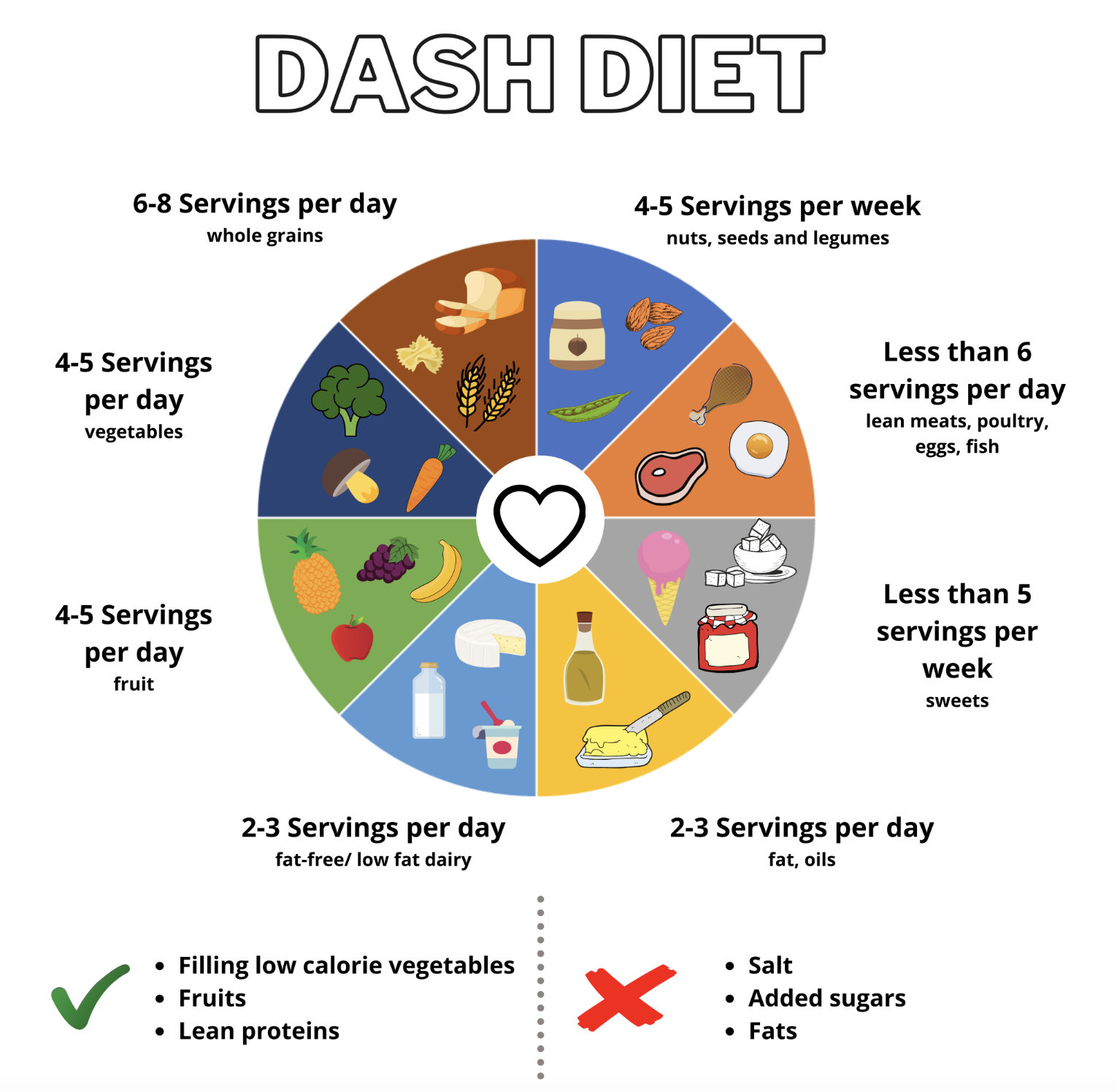
An example of the DASH diet, a lifestyle modification that helps treat hypertension.
Risks of Untreated Chronic Hypertension (High Blood Pressure)
Leaving chronic hypertension unmanaged poses significant risks:
- Cardiovascular Complications: Increased risk of heart attacks, strokes, heart failure, and peripheral artery disease.
- Kidney Damage: Elevated blood pressure can damage the kidneys, leading to chronic kidney disease or kidney failure.
- Vision Problems: It can cause damage to the blood vessels in the eyes, potentially leading to vision impairment or blindness.
- Aneurysms and Vascular Issues: Higher likelihood of aneurysms and damage to blood vessels throughout the body.
——-
Note: The information provided in this article is for educational purposes only. Always consult healthcare professionals for personalized advice and treatment plans tailored to your health needs.
Sources: Centers for Disease Control and Prevention, World Health Organization, American Heart Association