
 ios
ios android
 tiktok
 instagram
 facebook
 bluesky
 x
x reddit
 threads
 About
About AKESO Health Tracker
 Resources
 Blog
Blog FAQ
FAQ Contact
 AKESO Forum
In Part One, we dove into what patients need to know and understand the risk factors, symptoms, complications, treatment options, and the potential risks associated with untreated hypertension.
Building on this foundation, Part Two aims to empower individuals with insights to proficiently track and monitor hypertension in their daily lives. Moreover, we’ll offer a comprehensive guide to help facilitate effective communication between patients and their healthcare providers, ensuring a more informed and collaborative approach to hypertension management.
Monitoring & Tracking Hypertension
Staying up to date on your doctor visits is step one of ensuring that you are successfully monitoring your condition. These check-ups usually include physical examinations, tests, and open discussions about symptoms and medication effectiveness.
Below is a brief snapshot of how people suffering from hypertension often track, test severity, and monitor their overall health.
Home Blood Pressure Monitoring: Regular monitoring of blood pressure at home using a blood pressure monitor recommended by a healthcare professional. This helps in understanding fluctuations and trends in blood pressure readings.
Keeping a Blood Pressure Log: Recording blood pressure readings regularly, noting the date, time, and readings obtained. This log can provide a comprehensive view of blood pressure trends and help healthcare providers assess the severity of hypertension.
Lifestyle Modifications: Implementing lifestyle changes such as maintaining a healthy diet (like the DASH diet – Dietary Approaches to Stop Hypertension), reducing sodium intake, regular exercise, weight management, limiting alcohol consumption, and quitting smoking can significantly impact blood pressure levels and overall health.
Medication Adherence: If prescribed medications, adhering to the prescribed regimen is crucial. Missing doses can affect blood pressure control. Always follow the healthcare provider’s instructions regarding medication intake.
Regular Doctor Visits: Attending regular check-ups with a healthcare professional to monitor blood pressure, assess overall health, and adjust treatment plans if necessary.
Diagnostic Tests: Doctors may recommend various tests to assess the severity of hypertension and its impact on overall health. These tests may include:
- Blood tests to check cholesterol levels, kidney function, and blood sugar levels.
- Electrocardiogram (ECG or EKG) to assess heart rhythm and function.
- Echocardiogram to check for heart abnormalities due to hypertension.
- Urine tests to assess kidney function.
- Eye examinations to detect hypertensive retinopathy.
Health Apps and Wearable Devices: Using apps like Akeso, or wearable devices to track physical activity, monitor heart rate, and sometimes even blood pressure. These tools can provide additional data for self-assessment.
Stress Management: Practicing stress-reducing techniques like meditation, yoga, or mindfulness may help in managing blood pressure levels.
Educational Resources and Support Groups: Accessing educational resources, joining support groups, or seeking guidance from healthcare professionals can provide valuable information, emotional support, and motivation to manage hypertension effectively.
Guiding Questions for Informed Discussions with Heart Disease Specialists
When dealing with heart disease, it’s important for patients to know and understand how to successfully navigate their condition. Below you’ll find the types of specialists that heart disease patients visit.
Included with each specialist are topics and questions that can serve as a starting point for patients to have meaningful discussions with their specialist, and ensure a better understanding of their condition, treatment options, and lifestyle modifications.
Primary Care Physicians play a pivotal role in the initial diagnosis, routine monitoring, and basic management of chronic hypertension. They coordinate overall care, conduct regular blood pressure checks, and provide essential guidance on lifestyle modifications and medications.
- Topic: Diagnosis and Monitoring
-
- What are the specific indicators of hypertension, and how often should I monitor my blood pressure at home?
-
- How frequently should I schedule check-ups to monitor my blood pressure?
-
- What lifestyle changes can I adopt to manage my hypertension effectively?
- Topic: Medications and Treatment
- What medications are available for hypertension, and how do they work?
- Are there potential side effects or interactions I should be aware of with these medications?
- Can you help me understand how to take my medications properly and the importance of adherence?
- Topic: Lifestyle Modifications
-
- Can you provide guidance on dietary changes, exercise routines, and stress management techniques that can positively impact my blood pressure?
- Are there specific resources or support groups you recommend for hypertension management?
Cardiologists are specialists focused on heart health and managing cardiovascular conditions. They play a crucial role in evaluating and treating complications arising from hypertension that affect the heart, such as heart attacks, heart failure, and other cardiac issues.
- Topic: Cardiovascular Health
-
- How does hypertension impact my heart health specifically?
-
- What are the potential risks and complications associated with hypertension in terms of heart conditions?
-
- Can you explain how hypertension might contribute to conditions like heart attacks or heart failure?
- Topic: Treatment Options and Interventions
-
- Are there advanced treatment options or interventions available for managing hypertension-related heart issues?
-
- How often should I have cardiac assessments or screenings due to my hypertension?
Nephrologists specialize in kidney diseases, which are often interconnected with hypertension. They monitor and address kidney-related problems caused by high blood pressure, working to preserve kidney function and prevent complications like kidney failure.
- Topic: Kidney Health and Hypertension
-
- How does high blood pressure affect kidney function, and what are the risks associated with it?
-
- Are there specific tests or evaluations to monitor my kidney health due to hypertension?
- Topic: Management of Kidney Complications
-
- What steps can I take to prevent kidney damage or manage existing kidney complications caused by hypertension?
Endocrinologists may be consulted, especially when hormonal imbalances contribute to or exacerbate hypertension. They assess and manage underlying hormonal issues that may impact blood pressure regulation.
- Topic: Hormonal Impact on Blood Pressure
-
- Are there hormonal imbalances contributing to my hypertension?
-
- How does hormone regulation impact blood pressure, and what treatment options are available to manage this aspect of hypertension?
- Topic: Collaboration with Other Specialists
-
- How can your expertise complement the care provided by my primary care physician and other specialists in managing hypertension?
Registered Dietitians or Nutritionists are professionals who play a crucial role in hypertension management by offering guidance on creating a heart-healthy diet plan. They help individuals make dietary changes that support blood pressure control, focusing on aspects such as sodium intake reduction, adopting the DASH (Dietary Approaches to Stop Hypertension) diet, and promoting overall heart health through nutrition.
- Topic: Nutrition and Diet for Blood Pressure Control
-
- What dietary changes can I make to better manage my blood pressure?
-
- Can you help me create a meal plan that aligns with the DASH diet or focuses on reducing sodium intake?
- Topic: Support and Guidance
-
- Are there resources, recipes, or meal planning strategies that can make it easier to follow a heart-healthy diet while managing hypertension?
Monitoring Your Blood Pressure Readings
When you are living with chronic hypertension, it’s important to learn how to track, interpret, and communicate your results to the proper physicians.
Dealing with chronic hypertension can quickly become overwhelming. This is where Akeso comes in. This all-in-one health condition tracker is designed to help patients take control of their health and successfully monitor their chronic ailments. With this tool, patients can track all of their symptoms with a simple push of a button.
To learn more about how you can use Akeso to understand your body better and start managing your condition, click here.
Understanding Your Blood Pressure Readings
Systolic Number (Top Number): This is the top number that represents pressure in the arteries when the heart beats.
Diastolic Number (Bottom Number): This is the bottom number that represents pressure in the arteries between heartbeats.
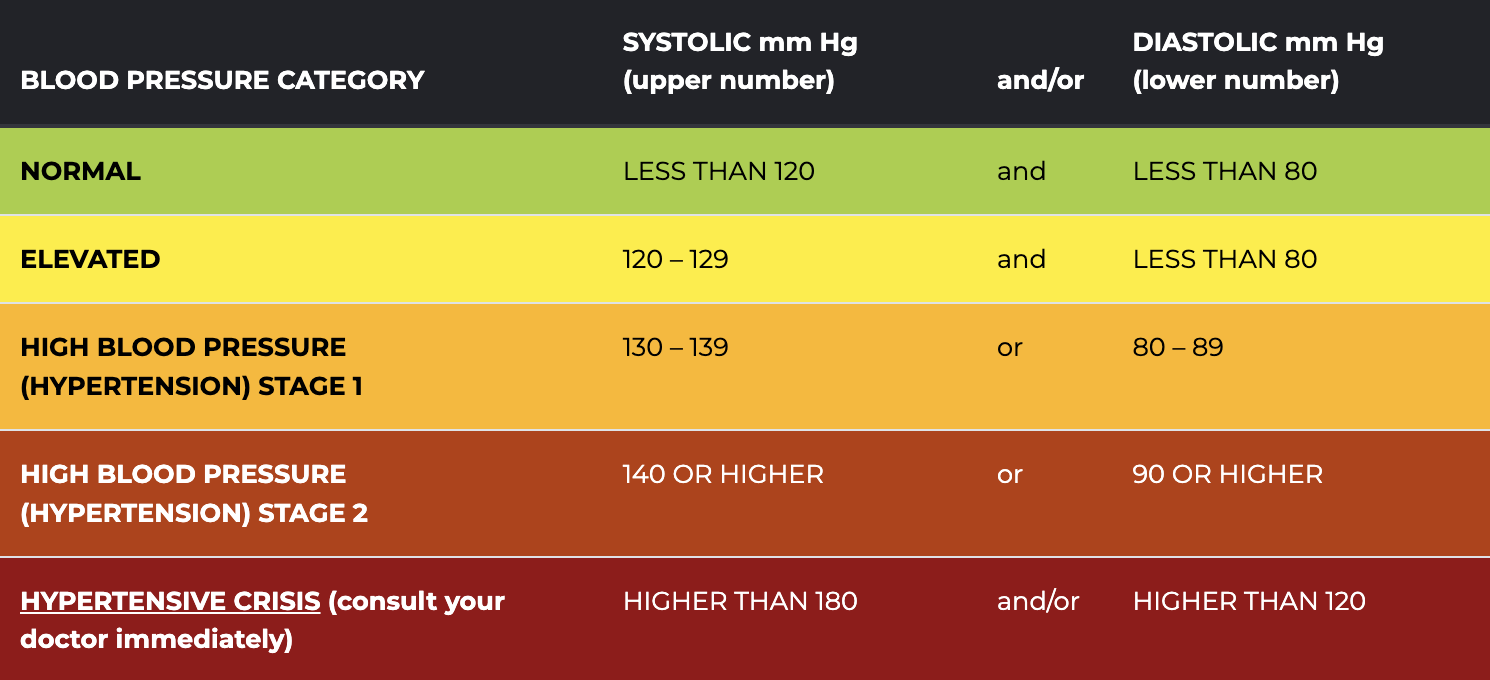
Source: American Heart Association
——-
Note: The information provided in this article is for educational purposes only. Always consult healthcare professionals for personalized advice and treatment plans tailored to your health needs.
Sources: American Heart Association, Mayo Clinic